
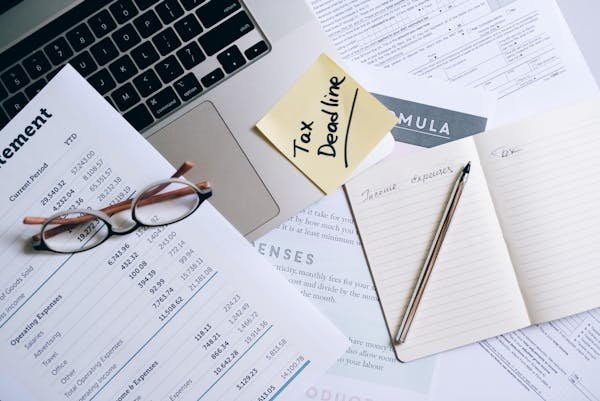
Running a business in Canada means more than just making sales and signing contracts — it also means filing corporate taxes every year. If you skip this responsibility, it doesn’t just disappear. It builds into bigger problems that can damage your business, your finances, and your future.
The Canadian tax system, governed by the Income Tax Act, imposes strict penalties on those who fail to comply with tax filing requirements. This includes not filing a tax return, making false statements, or underreporting income. If someone commits serious fraud or evades taxes intentionally, they may face criminal charges. These charges could lead to large fines or imprisonment.
What Are the Consequences for Not Filing Corporate Taxes?
1. Late-Filing Penalties
The Canada Revenue Agency (CRA) doesn’t play around. If you miss your filing deadline, expect a penalty of 5% of the unpaid tax you owe, plus 1% of the balance for each month your return is late, up to 12 months. If you’ve been late before, the penalties get even worse: 10% of your unpaid tax plus 2% for each month, up to 20 months.
2. Interest on Top of Penalties
Not only are you penalized for filing late, but the CRA will also charge daily interest on the amount you owe, including penalties. The interest rate is set quarterly and compounds daily. The longer you wait, the more you’ll owe — and it adds up fast.
3. Loss of Tax Credits and Deductions
If you’re eligible for tax credits like the small business deduction or scientific research and experimental development (SR&ED) credits, not filing on time could mean losing access to those benefits for the tax year.
4. Risk of Audit by the CRA
If you don’t file, you’re practically inviting the CRA to take a closer look. Non-filers are red flags. An audit could uncover more than just missed filings — it could open up old returns, disallowed expenses, or underreported income. It’s not just one year you have to worry about; they can go back several years.
5. Legal Action by The CRA
Failing to file taxes isn’t just a financial issue; it can escalate into a legal one. The CRA has the power to garnish your bank accounts, seize your assets, or even prosecute. Corporate directors can also be held personally liable for some unpaid taxes, like GST/HST and payroll deductions.
6. Loss of Good Standing
When you don't file your taxes, your corporation risks losing its "good standing" with federal or provincial business registries. This can limit your ability to get loans, enter contracts, or even continue operating legally. You might also be struck from the registry, which could mean the government shuts your business down.
7. Damage to Reputation
Vendors, clients, and financial institutions check up on businesses. If word gets out that your company isn’t compliant with tax laws, it can tarnish your reputation. Trust is hard to rebuild once it’s gone.
Reasons Why Businesses Miss Filing
- Lack of Knowledge: Some business owners simply aren't aware of their filing obligations.
- Poor Record Keeping: Disorganized financial records can make it hard to prepare a return.
- Cash Flow Issues: Fear of owing money they can't pay leads some to delay filing.
- Busy Operations: Managing day-to-day operations sometimes pushes administrative tasks aside.
- Staff Turnover: Changes in accounting or management staff can cause deadlines to be missed.
- Avoidance: Some businesses mistakenly think ignoring the problem will make it go away.
- Confusion Over Corporate Structure: Different rules for sole proprietors, partnerships, and corporations can lead to misunderstandings.
What You Should Do Instead
If you’re behind, don’t wait. File your taxes, even if you can’t pay the full amount. The CRA is much more reasonable when businesses show they’re making an effort. Payment plans are available, and in some cases, you might qualify for relief from penalties and interest through the CRA’s Voluntary Disclosures Program.
Voluntary Disclosure Programs
If you didn’t pay taxes or made a mistake on your return last year, the CRA has a program to help. This program aims to reduce the impact of not paying taxes or making mistakes on your return.
Under the CRA’s Voluntary Disclosures Program, (VDP) Canadian taxpayers who made mistakes in their tax return, didn’t file, or failed to declare what they earned, can apply for relief from interest, penalties, and prosecution.
All taxpayers, from individuals to corporations and trusts, may be eligible if they meet the following criteria:
- Your application must be voluntary. If the CRA has already requested information before you apply for the VDP, you are not eligible.
- You must include all relevant information such as your returns, schedules, and forms.
- Your information must involve a penalty (actual or potential).
- Your information must be at least one reporting period past due or more than a year old. Your application cannot include a current filing.
- You must include payment of your tax owing or request a payment arrangement which will be subject to CRA approval.
The VDP is available for individual income tax returns (T1), corporate tax returns (T2), trusts (T3) as well as GST/HST returns, or any other requirement to report or remit an amount as or account of tax, provided the above criteria is met. There are specific circumstances that would make a taxpayer ineligible for participation and we recommend working with a tax consultant to ensure you are eligible.
Ensure Compliance and Have Peace of Mind
Ignoring corporate taxes isn’t a "deal with it later" problem. It’s a ticking time bomb. File on time, stay in the CRA’s good books, and protect your business.
Your best move? Get professional guidance, and always act quickly if you miss a deadline. Doing so safeguards your business’s financial health and keeps you in good legal standing. Don't let avoidable mistakes cost your business its success. Stay compliant, stay secure.
Book a Consultation Today
Let Filing Taxes –Toronto Tax Professional help you prepare better for next the 2026 tax season with ease. Connect with Filing Taxes at 416-479-8532. Schedule an NTR engagement appointment with us and take the first step toward proper management of your finances.
Disclaimer: The information provided on this page is intended to provide general information. The information does not consider your personal situation and is not intended to be used without consultation from accounting and financial professionals. Salman Rundhawa and Filing Taxes will not be held liable for any problems that arise from the usage of the information provided on this page.