

Toronto Self-Employed Accounting Services
Self-Employed Accountant in Toronto
Self-employed in Toronto — freelancer, consultant, contractor or gig worker — your taxes work differently than a T4 employee's. No employer withholds tax, no one tracks your expenses, and CRA expects you to get the T2125 right.
Filing Taxes provides accounting and tax support for self-employed professionals. Our services can help you organize bookkeeping, document home-office and vehicle deductions, plan CPP and instalments, and prepare T1/T2125 filings with HST handled where applicable.
Whether you are filing for the first time or catching up on multiple years, we can review your current records and discuss the accounting support that fits your work.
Explore our bookkeeping services in Toronto for more information about ongoing record support.
Self-Employed Tax Consultation
Speak With Our Toronto Accounting Team
Tell us about your work — freelance, contracting, consulting or gig — and what you need: T2125 filing, bookkeeping, HST, deductions, or incorporation advice. You can also mention whether you require catch-up accounting, instalment planning or year-end preparation.
Use this form for your initial enquiry. Our team can advise how financial records or other sensitive business information should be provided if required.

Connect income, expenses and receipts with T2125-ready tax preparation.
Self-Employed Accounting Explained
What Does a Self-Employed Accountant Do?
A self-employed accountant helps freelancers, contractors, consultants and gig workers organize income and expenses, document eligible deductions and prepare for T1/T2125 filing requirements. Depending on the work, this may involve tracking irregular income, reviewing home-office and vehicle expenses, reconciling accounts, coordinating HST records and organizing receipts for year-end tax preparation.
Bookkeeping is an important part of this process, but it is not the entire accounting function. Bookkeeping generally focuses on recording and organizing transactions, while accounting also involves reviewing deduction eligibility, planning CPP and instalments, and connecting the records with filing requirements. Those who primarily need transaction-level assistance can explore our bookkeeping services in Toronto.
The support you need also depends on how you earn. A freelancer with a single income stream and a contractor with multiple clients do not have identical record-keeping needs. Filing Taxes helps self-employed professionals review their accounting needs and coordinate appropriate services, including business accounting and, where incorporation is being considered, corporate tax return preparation.
Freelancers, contractors and gig workers may have different deduction, HST and instalment requirements. The appropriate accounting support depends on your income sources, expense records and applicable filing obligations.

Start with a review of your records, then establish the services and filing schedule you need.
How Our Process Works
Our Self-Employed Tax Process in Toronto
Working with a self-employed accountant in Toronto starts with understanding how you earn and the condition of your existing records. Filing Taxes reviews your circumstances before discussing the scope of support. The seven steps below explain how we move from an initial enquiry to organized records and tax filing.
Discuss How You Earn & Your Tax Needs
We begin by discussing your income sources, expense records and current tax challenges — so the right support is in place from the start.
Review Available Financial Records
We identify the relevant records for your situation — invoices, receipts, bank statements, prior T1/T2125 returns, HST records and expense logs.
Assess the Books & Identify Gaps
Existing records are reviewed for missing receipts, unreconciled accounts and incomplete periods. Any required cleanup work can then be discussed before regular reporting begins.
Agree on the Tax Workflow
We discuss the services, responsibilities and review frequency appropriate for you — including transaction recording and bookkeeping support.
Record, Categorize & Reconcile
Income and expenses are organized, deduction categories set up, and accounts reconciled against bank statements.
Review Deductions & Tax Planning
Home-office, vehicle and HST positions reviewed alongside CPP and instalment requirements.
File T2125 & Ongoing Support
Records organized for T1/T2125 filing — future work continues on the agreed schedule.
Someone with current, reconciled records may need a different onboarding process than one with missing receipts or months of unfinished bookkeeping. We review the available information before confirming the engagement scope.

Connect income, receipts and expense logs with your T2125 filing.
Self-Employed Records & Reporting
Self-Employed Financial Records & Tax Readiness
A self-employed accountant in Toronto can help connect the records behind your daily income and expenses with T2125 filing and applicable tax requirements. Invoices, receipts, bank statements and expense logs each provide part of the information needed to claim every deduction you are entitled to.
The records you need depend on how you earn. A freelancer with home-office expenses and a rideshare driver with vehicle logs have different documentation needs. Filing Taxes can review what you keep and organize it with our bookkeeping services in Toronto — and coordinate incorporation records with corporate tax return preparation where applicable.
What Clients Say About Filing Taxes
Businesses rely on accurate records, clear communication and accounting support that stays organized throughout the year. Filing Taxes works with corporations, owner-managed businesses, startups and growing companies across Toronto and Mississauga, providing support with bookkeeping, reconciliations, financial reporting, payroll, GST/HST and corporate year-end requirements. The reviews below are loaded through our Google review integration so you can read current feedback directly from Filing Taxes clients.


Professionals Supporting Your Business Accounting & Financial Reporting
Business accounting can involve bookkeeping, reconciliations, financial reporting, GST/HST, payroll, year-end adjustments and corporate tax preparation. Filing Taxes coordinates these areas so your day-to-day accounting records can connect more effectively with broader financial and tax requirements.
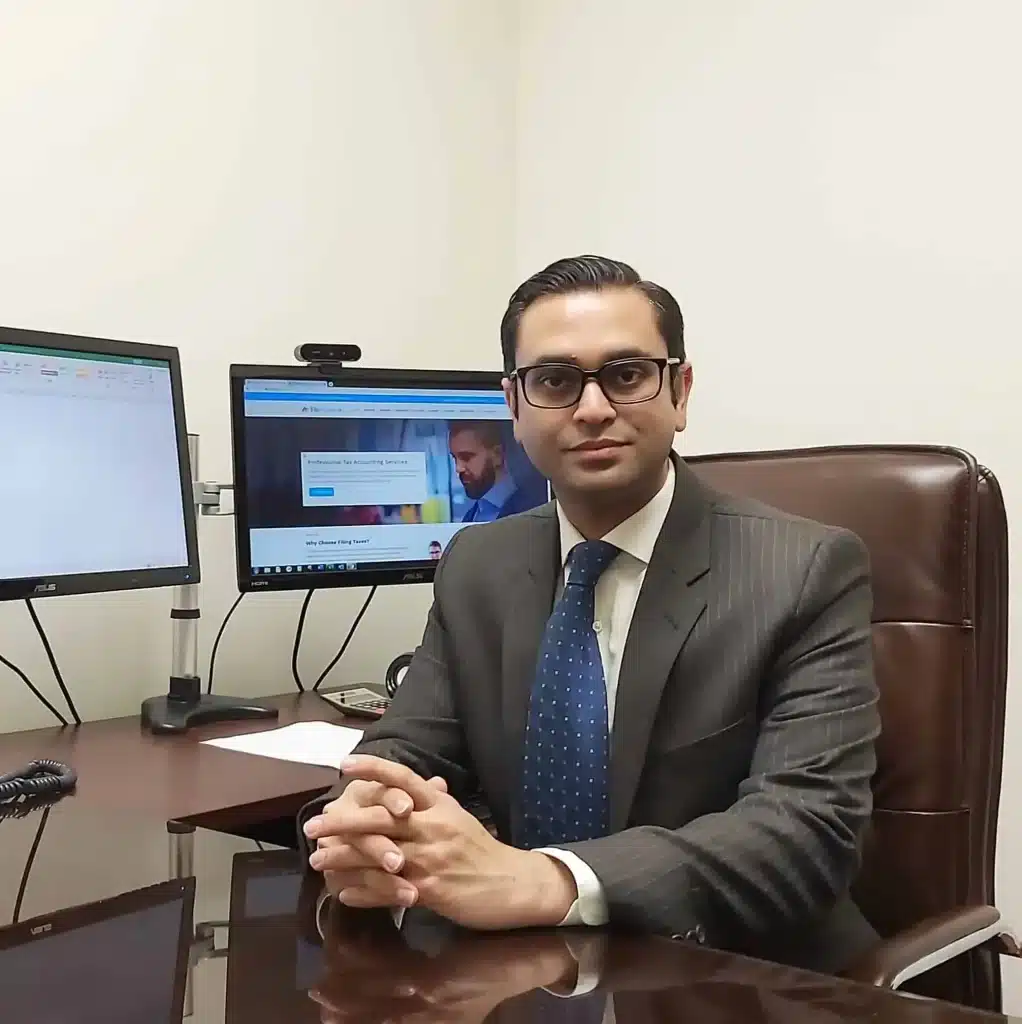
Salman Rundhawa
Salman Rundhawa leads Filing Taxes with more than 15 years of accounting and tax experience. His work spans business accounting, financial reporting, personal and corporate taxation, tax planning and CRA-related matters. This broader perspective is valuable when a company's bookkeeping, financial statements and tax requirements need to work together rather than being handled as separate processes.

Adeel Asim
Adeel Asim supports Filing Taxes clients with tax preparation, accounting coordination, business records and CRA-related requests. For business accounting files, organized source documents and reconciled balances are especially important because payroll, GST/HST, financial reporting and corporate tax figures can all depend on the underlying accounting data.
Need Ongoing Business Accounting Support?
Speak with the Filing Taxes team about monthly accounting, reconciliations, bookkeeping, financial reporting, payroll, GST/HST or year-end preparation. Businesses needing detailed transaction-level support can also review our bookkeeping services in Toronto , while incorporated businesses can connect their accounting records with our corporate tax return services .
Related Business Accounting Guides
Explore practical Filing Taxes guides covering business accounting, bookkeeping, financial organization, cloud accounting and the accounting challenges that startups and growing Canadian businesses can face throughout the year.

Why Every Business in Toronto Needs Accounting Services
Explore why accurate financial records, cash-flow monitoring, reporting, tax compliance and organized accounting systems are important for businesses operating in Toronto. The guide also explains how accounting can support better financial decisions as a company grows.
Read the Business Accounting Guide →
Is It Time for Bookkeeping Catch-Up?
Learn the warning signs of behind or disorganized books and the steps involved in bringing financial records back up to date.
Read Bookkeeping Guide →
Bookkeeping & Accounting for Toronto Startups
See how startups can organize transactions, cash flow, receivables, payables, payroll and financial reporting from the early stages of the business.
Read Startup Accounting Guide →
Cloud Accounting: What It Is & Why It Matters
Understand how online accounting systems can improve financial access, collaboration, reporting and day-to-day accounting workflows.
Read Cloud Accounting Guide →
Entrepreneurial Accounting: Essential Insights
Learn how entrepreneurs can use accounting to track income, expenses, profitability and cash flow while building a stronger financial foundation.
Read Entrepreneurial Accounting Guide →Are Your Business Books Giving You Reliable Numbers?
If bank balances do not reconcile, reports are outdated, transactions are missing or year-end repeatedly requires extensive cleanup, it may be time to review the accounting process rather than continuing to carry the same problems forward.
Watch Helpful Business Accounting & Tax Videos
Explore Filing Taxes videos covering small business taxation, business structures, holding companies, sole proprietors, tax planning and other topics that can affect how Canadian businesses organize their accounting and tax affairs. For day-to-day financial record support, see our bookkeeping services in Toronto .
5 Tax Loopholes for Small Business
Explore tax-planning ideas Canadian business owners may consider when managing company income, expenses and tax obligations.
Watch Video →
The Power of Holding Companies
Learn how holding companies can fit into corporate structures and why proper accounting becomes important when multiple corporations or assets are involved.
Watch Video →
Tax Tips for Sole Proprietors
Review practical tax considerations for freelancers, contractors and self-employed individuals who need to track business income and expenses accurately.
Watch Video →
Real Estate Taxes in Canada
Understand tax considerations that can affect property income, sales and real estate activities where accurate accounting records are essential.
Watch Video →
Understanding Capital Gains in Canada
Learn how gains on asset dispositions can affect Canadian tax reporting and why maintaining accurate purchase and sale records matters.
Watch Video →
Saving for Your First Home in Canada
Explore Canadian tax and savings considerations that demonstrate how financial planning and tax decisions can overlap.
Watch Video →Accounting Records Support Better Tax Decisions
Tax planning is more useful when the underlying business numbers are current and reliable. If your corporation needs year-round accounting and organized records before tax season, our corporate tax services can connect with your ongoing accounting process.
Business Accounting Support in Toronto & Mississauga
Filing Taxes supports corporations, owner-managed businesses, startups and growing companies from our Toronto and Mississauga offices. Meet with our team for ongoing business accounting, bookkeeping services , financial reporting, payroll accounting , GST/HST returns and corporate tax return support .

Mississauga Business Accounting Office
Meet with the Filing Taxes team in Mississauga to discuss bookkeeping, account reconciliations, financial reporting, GST/HST, payroll and corporate year-end accounting needs.

Toronto Business Accounting Office
Visit our Toronto office for business accounting support covering ongoing records, reconciliations, reporting, bookkeeping coordination and corporate year-end preparation.
Need Business Accounting Help in the GTA?
Book a consultation with Filing Taxes to discuss your current accounting records, bookkeeping, reconciliations, reporting, payroll, GST/HST or corporate year-end needs. If your books are already behind or inconsistent, we can begin by reviewing the current accounting setup and identifying what needs to be organized first.